
AI Agent Integration Guide for Businesses: How UK Companies Can Get Started in 2026

Artificial intelligence is no longer just a futuristic concept — it’s now a practical tool helping businesses automate tasks, improve customer experiences, and make smarter decisions. In 2026, one of the fastest-growing technologies shaping the digital economy is AI agents. This AI agent integration guide will help UK businesses understand what AI agents are, how they work, and how to implement them effectively.
From startups in London to SMEs across Manchester, Birmingham, and Glasgow, businesses are increasingly using AI-powered assistants to streamline operations and scale faster. If you want to stay competitive in a rapidly evolving market, understanding AI integration is essential.
Let’s explore how AI agents can transform modern businesses.

1. What Are AI Agents and Why Are They Important?
AI agents are intelligent software systems designed to perform tasks autonomously, learn from data, and interact with users or systems. Unlike traditional automation tools, AI agents can analyse context, adapt to new information, and make decisions based on predefined goals.
Examples of AI agents in business include:
Customer service chatbots
AI sales assistants
Virtual help desks
Data analysis agents
Workflow automation tools
Businesses worldwide are rapidly adopting AI solutions. Studies suggest that over 70% of companies are now experimenting with AI-powered automation tools, reflecting the growing importance of digital transformation.
For UK businesses looking to improve efficiency and customer experience, this AI agent integration guide provides a practical roadmap.
2. Why UK Businesses Are Investing in AI Agents
The UK is one of the leading AI innovation hubs in Europe. Government initiatives, tech startups, and enterprise investments are accelerating AI adoption across industries.
Businesses are adopting AI agents for several reasons:
✔ Increased operational efficiency✔ Lower operational costs✔ Faster customer support✔ Improved data insights✔ Better decision-making
According to recent industry reports, AI adoption continues to grow across sectors such as retail, finance, healthcare, and marketing. For SMEs especially, AI tools provide access to capabilities that were once only available to large corporations.
This is why implementing the strategies in this AI agent integration guide can give UK businesses a strong competitive advantage.
3. Common Business Functions Where AI Agents Are Used
AI agents can support many areas of business operations. Here are some of the most common applications.
Customer Support
AI chatbots and virtual assistants can respond instantly to customer enquiries, reducing response times and improving satisfaction.
Marketing and Lead Generation
AI tools can analyse user behaviour, personalise content, and nurture leads through automated campaigns.
Sales Support
AI sales agents help qualify leads, schedule meetings, and recommend products.
Data Analysis
AI systems can process large datasets and generate insights that help businesses make better decisions.
Workflow Automation
Routine tasks such as scheduling, reporting, and document management can be automated.
By following the strategies in this AI agent integration guide, businesses can streamline operations across multiple departments.
4. Key Benefits of AI Agent Integration
Integrating AI agents can transform the way organisations operate.
Increased Productivity
AI handles repetitive tasks, freeing employees to focus on strategic work.
Improved Customer Experience
Customers receive faster responses and personalised service.
Cost Efficiency
Automation reduces the need for manual processes and operational overhead.
Scalability
Businesses can handle growing workloads without expanding teams significantly.
These advantages explain why AI adoption continues to accelerate in the UK business ecosystem.
5. Choosing the Right AI Tools for Your Business
Selecting the right AI technology is a crucial step in this AI agent integration guide.
Businesses should consider:
✔ Ease of integration with existing systems✔ Scalability and flexibility✔ Security and data protection✔ User experience✔ Cost and return on investment
Popular AI tools today include chatbot platforms, marketing automation systems, and AI-driven analytics solutions.
The key is choosing tools that align with your business goals rather than adopting technology for its own sake.
6. Steps to Implement AI Agents Successfully
AI implementation doesn’t need to be complicated. Businesses can start with a structured approach.
Step 1: Identify Business Needs
Determine which processes could benefit from automation.
Step 2: Set Clear Objectives
Define measurable outcomes such as improved response times or reduced operational costs.
Step 3: Choose the Right Platform
Select tools that integrate smoothly with your current systems.
Step 4: Train Teams
Employees should understand how to work alongside AI systems.
Step 5: Monitor Performance
Regularly review performance metrics and optimise workflows.
This structured process ensures successful adoption of the strategies outlined in this AI agent integration guide.
7. AI and Data Privacy in the UK
Data protection is a major consideration when implementing AI technologies. UK businesses must comply with regulations such as GDPR to ensure responsible data handling.
Best practices include:
✔ Transparent data usage policies✔ Secure storage and encryption✔ Ethical AI practices✔ User consent management
Trust is critical when introducing AI tools. Customers should feel confident that their information is handled responsibly.
8. Challenges Businesses May Face
While AI offers many advantages, there are also challenges.
Common obstacles include:
❌ Lack of technical expertise
❌ Integration with legacy systems
❌ Employee resistance to automation
❌ Data quality issues
However, these challenges can be overcome with proper planning, training, and strategic implementation.
Understanding potential challenges is an important part of this AI agent integration guide.
9. Future Trends in AI Agents
The next generation of AI agents will be even more advanced. Emerging trends include:
✔ Multi-agent collaboration✔ AI-powered voice assistants✔ Predictive decision-making systems✔ Hyper-personalised customer experiences✔ Integration with IoT and smart devices
As AI technology evolves, businesses that adopt early will be better positioned to innovate and grow.
The UK’s strong tech ecosystem means AI will continue to play a major role in shaping the future of business.
10. How SMEs Can Start Small and Scale Smart
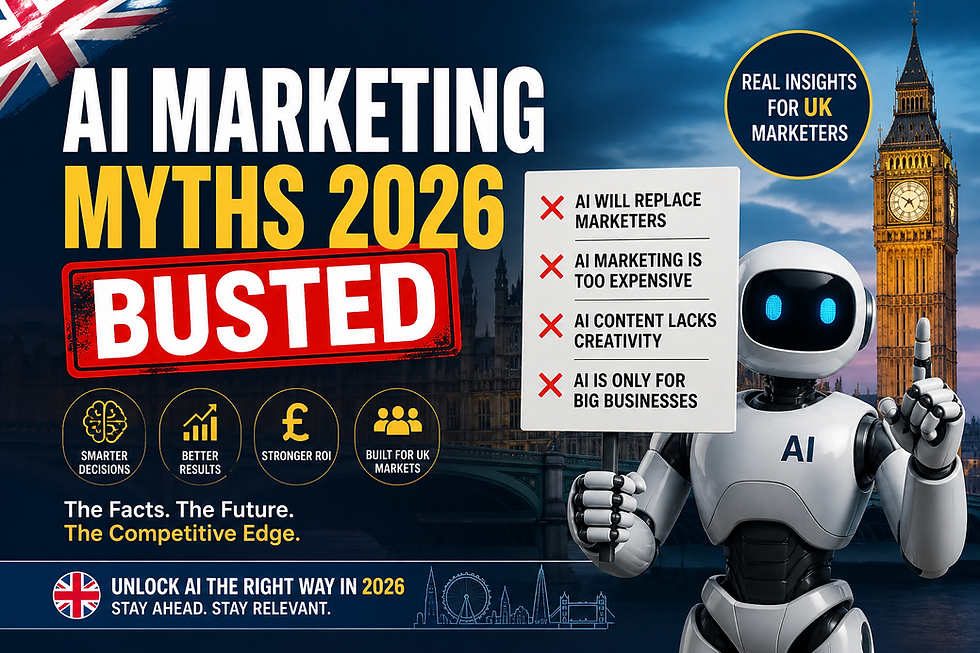
Many small businesses assume AI is only for large companies, but that’s no longer true.
Today, SMEs can start with simple AI solutions such as:
Chatbots for customer enquiries
Email automation
Social media scheduling tools
AI-driven analytics platforms
Starting small allows businesses to test AI capabilities, understand the benefits, and gradually expand usage.
This step-by-step approach is one of the most practical lessons in this AI agent integration guide.
Summary
Artificial intelligence is transforming the modern business landscape. UK companies that adopt AI agents can improve efficiency, enhance customer experiences, and unlock new growth opportunities.
Key takeaways from this AI agent integration guide include:
✔ AI agents automate repetitive tasks
✔ Businesses gain valuable insights through data analysis
✔ Customer support becomes faster and more personalised
✔ Automation improves productivity and scalability
✔ SMEs can adopt AI gradually without large investments
As AI technology continues to evolve, integrating intelligent systems will become a core strategy for successful businesses.
If you want expert guidance on integrating digital technologies and strengthening your brand’s digital presence, explore our Business Branding services today.
The future of business is intelligent, automated, and data-driven — and it starts with the right strategy. 🚀


Comments